
Camera Vent Inspection
In-duct camera scoping, route mapping, and airflow measurement in writing.
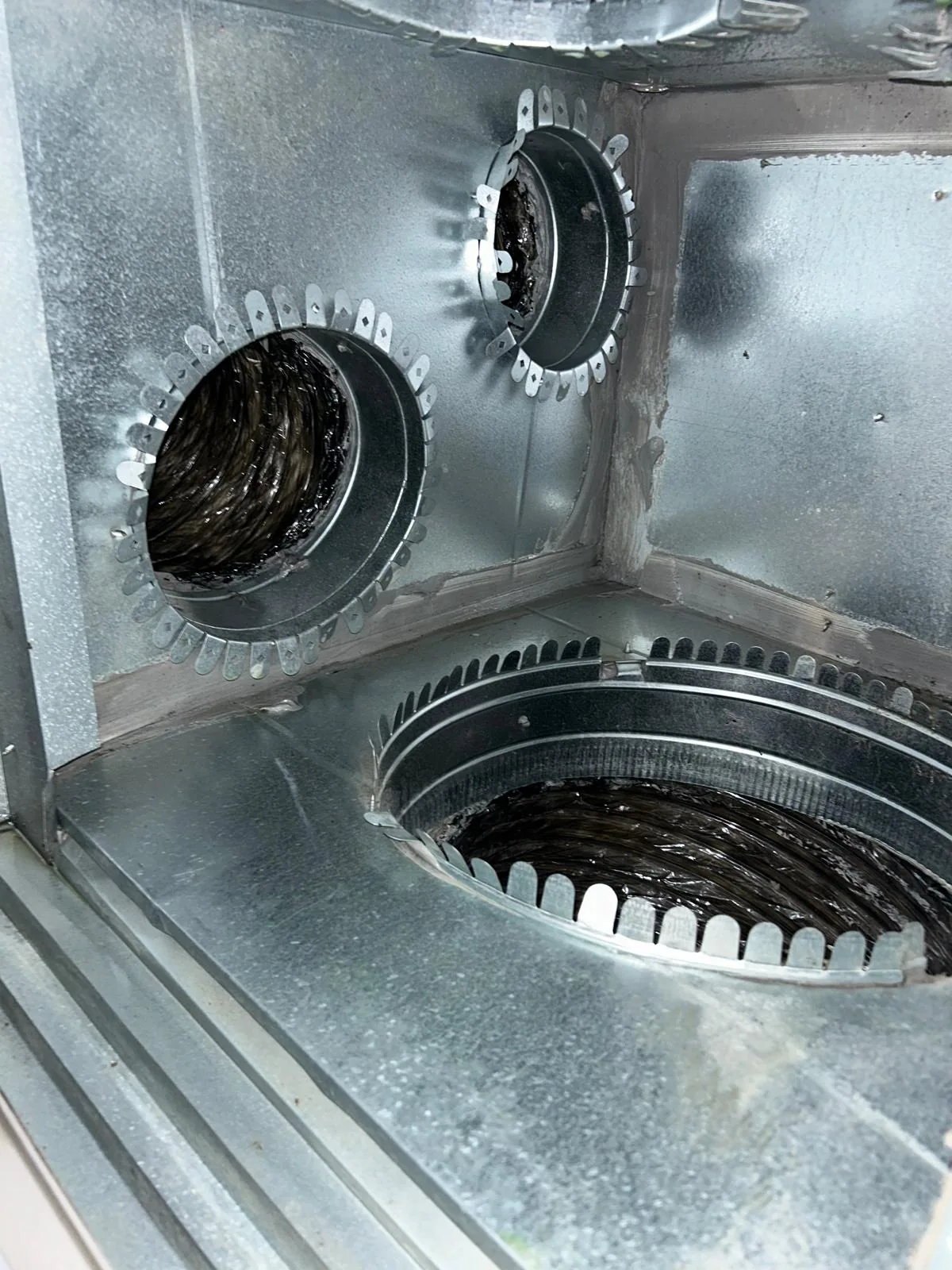
Learn moreThis is the visit for homeowners who want the fire question answered, not a cleaning sold. We audit the complete exhaust path against the failure points that actually start fires: lint load along the run, flammable duct materials, screws and kinks that build hidden lint dams, a bypassed or torn lint screen, clearance behind the machine, and — on gas dryers — whether a blocked vent could push combustion gases back into the house. You receive a written risk rating with photos and a prioritized fix list, in plain language. If your vent is healthy, the report says so, and that is the end of the transaction.
Prices shown are starting estimates and may change with the condition, access, and scope we find on site. Only a written quote from an on-site visit is a price we commit to.
A lint-fire risk assessment is a safety audit of the complete dryer exhaust path, scored and delivered in writing. Fire-safety agencies report roughly 2,900 home dryer fires a year in the US, with failure to clean the leading factor — but 'clean' is only one variable. We evaluate the ones that actually decide risk: lint load along the run, duct materials, hidden lint dams at screws and kinks, the condition of the lint screen, clearance and combustibles behind the machine, termination function, and on gas dryers, whether a blockage could push combustion gases back indoors. You get a plain-language risk rating with photos and a prioritized fix list — or a documented clean bill of health.
A lint-fire risk assessment isn't a matter of opinion — it's held to published national standards. Prime Dryer Vent builds every job to the named codes below and documents it, so the work is provably right for an inspector, an insurer, or a future buyer. These are the universal standards; your city's permit and inspection requirements are confirmed with the local authority before we pull the job.
The residential dryer-exhaust rules — rigid metal duct, length limits, outdoor termination, no protruding fasteners — form the pass/fail baseline the assessment scores against.
Codes cited are the established national standards (IRC, UL) that govern this service. The adopted code edition, permit, and inspection requirements vary by city —Prime Dryer Vent verifies them with your local authority having jurisdiction on every job.
Lint screen condition, transition duct material and shape, clearance behind the machine, and combustibles near the heat source.
Duct materials, measured lint load, hidden snag points, damper function, and airflow measured at the hood.
On gas dryers, we verify exhaust integrity and check for backdraft conditions that could return combustion byproducts indoors.
Findings are compiled into a written risk rating with photos and a prioritized, priced fix list where anything failed.
We've worked on 0+ DFW homes over 15+ years. Every job — small vent cleaning or full rebuild — runs the same way: licensed & insured technicians, written quotes, photo reports, warranty in writing.
A structured audit against real failure points — not a glance and a guess
Plain-language risk rating: you'll know exactly where your laundry room stands
Gas-dryer backdraft check included where it applies
If everything passes, the report says so and nothing is sold
Family-owned, licensed & insured, IRC M1502–compliant. We're the team you call when you want it done right the first time — no rotating subcontractors, no upsell pressure, no surprises. Same techs, same trucks, same standard.
For most households, once a year is the right rhythm. Push it earlier if the dryer runs daily, the run is long or has several elbows, you have pets, or the machine is gas-fired. The honest answer is measured, not guessed: if airflow at your termination is strong and drying times are normal, you can wait; if either slips, don't. Our inspections give you that measurement so the schedule fits your house instead of a generic calendar.
No. Dryer vents are the entire company — cleaning, inspection, repair, rerouting, rebuilds, and installs of the dryer exhaust system only. That's a deliberate choice, not a limitation: a crew that works on one system all day gets very good at it, and a visit from us never turns into a pitch for six other services. If your problem is outside the dryer vent, we'll say so plainly and you'll owe us nothing for the opinion.
In the Dallas–Fort Worth metro we can typically respond within about two hours for urgent calls — a fully blocked vent, a burning smell, a gas dryer you're worried about. Routine cleanings and inspections are usually scheduled within a couple of days. Outside DFW, in the Austin, San Antonio, and Houston metros, response depends on route density that week; we'll give you a real window when you call rather than a number we can't keep.
Cleanings start at $99, inspections and diagnostics at $89, and repairs are quoted flat after we've scoped the duct. The published prices are true starting points; what moves them is physical: duct length, elbow count, second-story or roof access, and how compacted the lint is. You approve the exact number before any work starts, and the price we quote is the price you pay. No trip-fee surprises, no truck-side renegotiation.
We measure airflow at your outside hood first, so there's a baseline. Then the full run gets cleaned — rotary brush through the duct while a HEPA vacuum holds it under negative pressure, plus the transition hose behind the machine and the termination hood outside. We re-measure airflow, reset your dryer with proper clearance, and hand you a report with the before/after numbers and photos. Most homes take about an hour, and we leave the laundry room cleaner than we found it.
Last reviewed:
Other services in the Inspection & Safety Diagnostics category.
Flat fee confirmed when you book. Same-week scheduling. A pass/fail verdict within 48 hours.
No airflow, overheating dryer, burning smell, or a vent you're not sure about? We answer 7 AM to midnight and the assessment ends in a written safe-to-use verdict — including a do-not-use notice when the evidence supports one. After-hours dispatch runs subject to crew availability.
Emergency line